Leadership Like the Dawn

dawn-2-1504573-1280x960I stumbled across this verse and it just jumped out. Listen to it deeply especially if you are a leader of any kind. Because here is a beautiful description of what power, authority, and leadership should be. It’s poetry but that’s why it’s so inspiring:

When one rules justly over men, ruling in the fear of God, he dawns on them like the morning light. (2 Sam 23:3-4)

I think that’s just a beautiful picture of leadership rightly exercised. That when leadership is done rightly it’s like “he dawns on them like morning light”. That when leaders are full of justice and fear of God, their leadership isn’t heavy and burdensome. It’s soft, it’s light, it’s full of future and promise like an early morning. And just as the dawn creeps up pushing away darkness, this is what it’s like when someone rules justly and in the fear of God.

When I think about my leadership if someone were to describe it like that to me, I would be honored. That’s what I hope for, that my leadership would be like the breaking of the dawn. My guess is if you are a leader you hope that too.

So what can you do today to start to live into that vision of leadership? Because it’s worth chasing after, just like the dawn chases after the night.

The Slavery of “Freedom”

chain-1461883-1278x1010I think our culture is obsessed with Freedom. Freedom to do whatever we want, and whatever pleases us. It drives a lot of culture, a lot of the stuff on TV, and a lot of the relationships around us.

We think that standing up for our “freedom” to follow our desires and impulses is what it means to be human. That we all have a right to do what we want, when we want, as long as it doesn’t hurt others (or hurt them too much).

But this idea of freedom, isn’t actually “freedom”, it’s slavery. 

All we have done is become absolute slaves to our wants, desires, and impulses and call that “freedom”. That “freedom” is to do whatever – our desires, wants, or impulses are. The problem is that not only isn’t that freedom, it actually doesn’t lead to life. Slavishly following our desires leads to instant gratification, debt, divorce, and all sorts of hurt. When we think following our desires is freedom we become slaves to our basest and worst selves.

David Foster Wallace noticed this and criticized our culture for exposing our kids to it so early. He writes this – this is what we teach our kids:

“That you are the most important and what you want is the most important. And that your job in life is to gratify your own desires…This does not work as well when it comes to educating children or helping us help each other know how to live… and to be happy – if that word means anything. Clearly it means something different from ‘whatever I want to do’ – ‘I want to take this cup right now and throw it! I have every right to! I should!’ We see it with children: that’s not happiness. That feeling of having to obey every impulse and gratify every desire seems to me to be a strange kind of slavery.”

And I think he is right on. The feeling that we need to follow our impulses and gratify our desires is a kind of slavery. It doesn’t lead our kids to happiness to let them do whatever they want, so why should it lead us to it?

But we’ve fallen for that lie and that trap. We use language like, “I just need to follow my heart”, “Well it wasn’t true for me”, “I deserve this because I want this” all the while not realizing we are slaves to our desires rather than masters of them. True freedom doesn’t consist in doing whatever you want when you want, true freedom consists in having these desires transformed and aligned so we can live whole lives. This is why Paul says that he is a “slave to Christ” because he knows that he needs his heart, desires, and impulses changed. He needs to have self-centeredness, greed, violence, and hurt rooted out. Ironically then for Paul to be truly free is to be a slave to Christ, rather than a slave to our desires because Christ sets free in us who we were meant to be.

My point in all of this is fairly simple. Following our impulses and desires isn’t freedom. Those things need to be shaped and transformed or they become self-centered, greedy, and ugly. And having those desires changed doesn’t happen through embracing our “pretend freedom” but submitting to a master, submitting to a path, or as Paul says, “becoming a slave to Christ.” And there is nothing in this world that will set you free for true freedom like Jesus Christ.

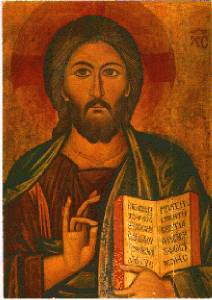
Do you love Jesus, or your theology about Jesus?

It is the deconstructive work that is painful because we have learned to emotionally invest , not in Jesus, but in our theology. A good test to determine whether Jesus or our theology takes precedence is to discern the degree to which we are willing to unlearn something and learn something new about Him. Michael Hardin

Ooh that one hits home. The truth is our theology is never perfect, but are we actually open to having it be changed by God? Are we actually willing to unlearn something, to learn something new? Christ

As I look back on my life as a Christian, pastor, and theology-nerd the amount of stuff that’s changed is dramatic. The question though isn’t how have I changed, but am I willing to continue to be changed by the prompting of God’s Spirit and Truth? Because one thing is for sure, I don’t have it all perfectly together. And I need to invest in Jesus, not in my theological thoughts about Jesus. And the difference between those two things can sometimes be wider than we think.

But what about you? How have you changed and grown in depth with Jesus? How has your theology changed? How is it changing? 

Because one thing is sure, we all need to become more like Jesus and that process involves change and it never ends. May we be open to that process and to the prompting of God’s Holy Spirit to conform us more and more into the likeness of Christ.

Following “God” Is Easy, Following Jesus is Difficult

jesus-1233747This quote is just so true:

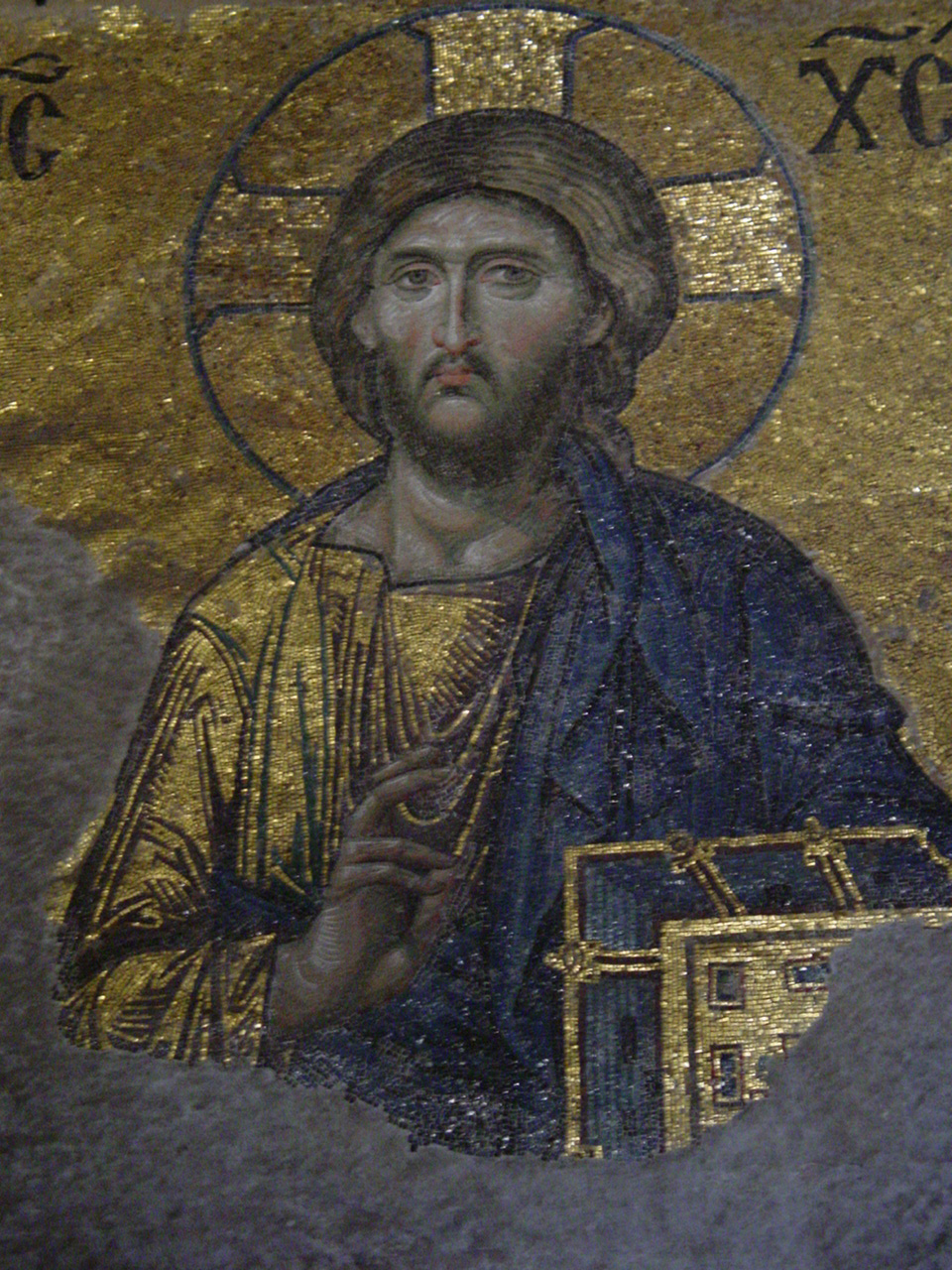
Jesus is particular, God is generic. It is easy to follow a generic God because you can fill the term “God” with any presupposition you please; it is difficult to follow Jesus because then you have to take seriously his teachings on discipleship, on what exactly following him entails. Michael Hardin

Following “God” is easy, because it is generic. You can be a “spiritual” person, or a person connected to the “energy” of the world or anything like that easily. Because as Michael Hardin points out, you can choose the things that you will follow or connect with. You can create the path you want to follow. Following Jesus though means following his path. The difficulty path of self-denial and other-centred love. The path that values sacrifice for others, and loving at a level that seems ridiculous at times. But that’s the beauty of Christianity; it’s about Christ. It’s about following him, and not giving into the easy things but shooting for the difficult life transforming things. Things that Jesus teaches us to do like:

  • Love your enemies
  • Forgive everyone
  • Judge Not
  • Fear Not
  • Worry Not

Each of those things is simple to understand, and will take a life-time to learn to practice. Which is precisely the point. Following Jesus is a path and a journey that takes a lifetime to learn. Learning to love your enemies and that there is no them, only us is incredibly hard. Learning to not let fear and worry have holds in our hearts isn’t a weekend retreat thing. It’s a lifetime thing.

This is why G.K. Chesterton said something truthful in, Christianity has not been tried and found wanting; it has been found difficult and not tried

But I believe it’s in the trying that life is found. It’s in the striving after following Jesus,  his path, and his way of life that life is found.

And my question in all of this is this: if you’re a follower of Jesus are you following his path? 

Because as Michael Hardin reminds us, it’s easy to follow “God” following but Jesus means following his path. And his path leads to life, it’s not easy, it’s hard but it’s absolutely worthwhile.

So out of those 5 things listed above (judge not, fear not, worry not, forgive everyone, love your enemies) which one do you need to work on today? Which one do you need to focus on and give some attention to? Which one do you need to try to follow today? Because following Jesus means walking his path, and this is the path he laid down. It’s not an easy one, but it is a life-changing one.

Why not be unfair today?

OLYMPUS DIGITAL CAMERA

People are uncomfortable with grace. It’s just true, and I get it because we raise people to react against grace. Because grace, simply put, is not fair.

As I seek to raise my three kids with Krista, one of the things I hear all the time is, “That’s not fair”. We somehow breed or develop in our kids (or at least my kids) this radar for unfairness. That leads to statements like this all the time:

  • Why did Asher get the bigger cookie?
  • Hudson’s played with the car too long.
  • Daddy!!! It’s just not fair!!

And in our household, in many ways, we try to be fair. We talk about being fair, and about sharing all the time. Saying, “Hudson, it’s not fair that you get all the Lego, share with your brother”. Or saying, “Asher, you can’t take all of the books and sit on them, you need to let Hudson have one too”.

But what I think is so interesting is that grace by its very definition doesn’t play according to the rules of fairness. Grace is unfair and it will always be unfair. We see grace and say, “That’s unfair” and it’s true. That’s why grace is so powerful because it gives to us things we don’t deserve, and things that, simply put, aren’t fair.

Francis Spurffod puts it this way:

Something kinder than fairness is, by definition, unfair; and once you take grace seriously it immediately threatens to produce scandalous unfairness in human terms.

It’s true. Grace produces scandalous unfairness in human terms. Which is why it’s so moving, transformative, and divine when truly given. Because in human terms there is nothing fair about grace, about second chances, about 77 chances, about forgiveness, about new starts, about welcoming people who don’t deserve it. There is nothing fair or human about it; grace is divine no doubt about it.

So today why not give a little bit of grace today. Why not be rebellious and rebel against fariness, and spread a little grace divine life today? Why not surprise someone with giving them something they don’t deserve, something that isn’t fair, something that is well…gracious.

Because the only reason that I get to follow Jesus is because God decided to be unfair and give me something I didn’t deserve. The least I can do is to try to follow his example and be a little unfair today, and give someone grace.

The Problem of Evil, Theodicy, and the Power of Story

dark-cloud-1539729-1599x1066The problem of “theodicy” (evil, and cruelty in the world) is a problem that theologians have wrestled with for decades. I read this one line a little while ago and it really resonated with me.

What do you think of it?

We don’t have an argument that solves the problem of the cruel world, but we have a story – Francis Spufford

Frantic Living

Here’s a quote that’s worth sitting and pondering. And if you don’t have time to sit and reflect on it, well maybe that tell’s you something…

Our frantic living does not produce life. Robert Farrar Capon

SONY DSC

Do churches actually welcome broken people?

1436392_90820824I want to quote something from Robert Farrar Capon, a brilliant writer. He writes this:

Jesus didn’t shy away from sinners, so why should the church? And don’t tell me the church welcomes sinners.  I know better. It welcomes only sinners who repent and then never seriously need forgiveness again.

And unfortunately I think that may be true. And you might even be able to confirm that, to share stories of how the church let you down, or let someone you know down.

But today I don’t want to use this quote to jump all over the church, and its failings. Because I think that misses the point. It’s so easy to read that quote and say, “yeah the church is screwed up.” To get all high and mighty and condemn those people in the church who don’t get grace, and forgiveness.

But here is the truth: the church is people. And if you follow Jesus you are part of that people, for better or worse.

And this quote loses its convicting and compelling power if it becomes about “other people”. If we are part of the church, we should use this quote to examine our own lives. We should stop, and reflect and ask the Holy Spirit, “Is there anything I need to change in my life”.

Because what I think the Holy Spirit is asking me through this quote is to really examine my life.

  • Do I truly welcome people where they are at, no agenda, with love?
  • Am I truly okay with broken people, or do I expect them to get “fixed”?
  • Am I in anyway being an obstacle to the Holy Spirit working in my community because I’m not really ready to welcome sinners?

Because this quote isn’t about “other people rejecting sinners”. This quote is about each of us asking ourselves, “am I living like Jesus with welcome and hospitality?” And that’s a lot harder question, a lot more personal question, and a much more worthwhile one.

God’s Like a Child Waiting to Be Found

764984_78439510I read this the other day, and it just struck me with how true it is. Shauna Niequist writes this:

What writing teaches me, over and over, is that God is waiting to be found everywhere; in the darkest corners of our lives, the dead ends and bad neighbourhoods we wake up in, and in the simplest, lightest, most singular and luminous moments. He’s hiding, like a child, in quite obvious and visible places, because he wants to be found.

And I just so believe that. I mean deep in my bones believe that. That God want’s to be found. That he is part of all areas of our lives, sometimes in these obvious and amazing places waiting to be found.

  • What if rather than assuming God is hiding from us, he wants to be found by us.
  • What if rather than assuming God is only in huge mountaintop experiences, he is all around us?
  • What if rather than assuming that only mystics and spiritual gurus can find God, that God wants to be found by everyone? Even us ordinary people with jobs, cooking, and kids?
  • What if God isn’t far out there, but right with you.

The question then is are you looking for him? Because I believe like Shauna writes, that God’s hiding, like a child, in quite obvious and visible places, because he wants to be found